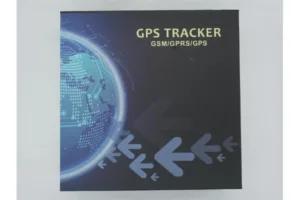



A 4G dual-mode logistics GPS tracker combines 4G and 2G communication to support vehicle connectivity across different transportation environments. Although 4G networks provide efficient data transmission, coverage can become limited in rural areas, remote highways, and locations far from cellular infrastructure. When 4G service is unavailable, the device can use a supported 2G network as an alternative, provided that local coverage and frequency compatibility are available. As a result, this dual-mode design gives logistics operators another communication option when managing vehicles across long-distance routes.
For delivery companies and commercial fleet operators, maintaining vehicle visibility is essential for daily transportation management. Without alternative network support, a vehicle may temporarily stop reporting location information when it enters an area with weak 4G coverage. However, 2G fallback can help reduce these interruptions when a compatible network remains available. Therefore, checking both communication modes is important when selecting tracking devices for regional and cross-border logistics operations.
How Does Dual-Mode Connectivity Improve Fleet Visibility?
Network availability directly affects how frequently a GPS device can send information to a monitoring platform. A 4G dual-mode logistics GPS tracker offers greater communication flexibility by supporting both 4G and 2G networks. This is particularly useful when vehicles travel between cities, industrial areas, and rural destinations where cellular coverage may change throughout the journey. Nevertheless, actual reporting performance still depends on network availability, supported frequency bands, and device configuration.
The main benefits of dual-mode communication include:
- Alternative Network Access: 2G provides another communication option when compatible 4G coverage is unavailable.
- Reduced Monitoring Interruptions: Network fallback can help maintain location reporting under changing coverage conditions.
- Long-Distance Transportation Support: Vehicles traveling across different regions can benefit from flexible network compatibility.
- Improved Fleet Visibility: Operators can receive location updates through a compatible tracking platform whenever a supported connection is available.
- Flexible Regional Deployment: Businesses can evaluate network compatibility before introducing devices into different markets.
In addition, the CL11 supports GPS, Beidou, AGPS, and LBS positioning. These technologies provide multiple sources of location information, while 4G and 2G communication allow the device to transmit tracking data to supported platforms. Consequently, combining positioning technologies with dual-mode communication gives fleet operators more options for monitoring vehicles.
What Vehicle Monitoring Features Support Logistics Management?
A logistics tracking device should provide more than basic location information. Fleet managers also need to review historical routes, monitor vehicle activity, and receive notifications about unusual events. Therefore, the CL11 integrates several monitoring and security functions to support different commercial vehicle management requirements.
For businesses operating delivery vehicles, a GPS tracker for delivery vans can help improve daily supervision through location monitoring and historical route playback. The CL11 supports six-month track history playback, allowing users to review previous vehicle movements through a compatible platform. Furthermore, its ACC detection function monitors vehicle ignition and engine status, providing additional information about vehicle activity.
Other important functions include:
- Remote Cut-Off: Supports one-key remote cut-off for vehicle management. Operators should only activate this function under appropriate safety conditions.
- Electronic Fence: Provides entry and exit alerts through configurable geographic zones.
- Vibration Alarm: Detects abnormal vehicle vibration and sends corresponding notifications.
- Overspeed Alarm: Monitors vehicle speed and provides alerts when configured limits are exceeded.
- Battery Display: Allows users to check battery information through the mobile application.
- Multi-Platform Access: Supports SMS notifications, phone notifications, a device platform, and a mobile application.
These functions can help businesses organize vehicle supervision without relying entirely on manual driver communication. However, remote control functions and notification availability depend on correct installation, platform configuration, and network conditions.

What Are the Hardware Specifications of the CL11 GPS Tracker?
Hardware compatibility is an important consideration before selecting a tracking device for commercial vehicles. Buyers should evaluate its communication bands, working voltage, current consumption, operating temperature, physical dimensions, and backup battery configuration. The CL11 uses SIMCom communication chips and supports 4G+2G connectivity, making regional network compatibility an important part of deployment planning.
The following table summarizes the actual product specifications.
| Technical Parameter | CL11 Specification |
|---|---|
| Chip Model | SIMCom A7670E / SIMCom A7670SA |
| Positioning | GPS + Beidou + AGPS + LBS |
| Communication Signal | 4G + 2G |
| LTE-FDD Bands | B1 / B3 / B5 / B7 / B8 / B20 |
| GSM Bands | B3 / B8 |
| Working Voltage Range | DC 9V–95V |
| Working Current | 12V / 45mA |
| Built-in Battery Capacity | 180mAh |
| Working Temperature | -20°C to +75°C |
| Appearance Size | 99 × 54 × 16.5 mm |
| Host Weight | 75 g |
| Shell Material | ABS Plastic |
| Antenna Specification | FPC Antenna |
| Battery Life | Depends on vehicle startup status |
The wide voltage range supports different vehicle electrical configurations, while the compact housing helps accommodate hardwired installation requirements. Meanwhile, the supported LTE and GSM bands should be checked against local mobile operators before purchasing. The product information does not specify an IP protection rating, so buyers requiring waterproof or dustproof performance should request additional documentation. Similarly, battery life depends on vehicle startup status rather than a fixed standby duration stated in the available specifications.
How Should Buyers Choose a Logistics GPS Tracker Manufacturer?
Selecting a logistics GPS tracker manufacturer involves more than comparing communication technologies. Buyers should also consider hardware compatibility, technical documentation, installation requirements, and tracking platform functions. For international distribution, checking regional frequency bands is particularly important because the same device configuration may not work with every mobile operator.
A professional hardwired GPS tracker manufacturer should provide clear electrical specifications and installation guidance for different vehicle applications. In addition, businesses sourcing a GPS tracker with remote fuel cut-off should confirm whether the remote cut-off function specifically controls the fuel supply or another vehicle circuit. Similarly, companies looking for a GPS tracker with multiple device management should verify that the tracking platform supports centralized monitoring and management of their required device quantities.
VSGPS provides vehicle tracking products for private vehicles, commercial fleets, and logistics applications. Buyers can consult the company about chip versions, communication bands, installation requirements, and platform functions before selecting suitable configurations for their projects.
Which Transportation Applications Benefit from Dual-Mode GPS Tracking?
A 4G dual-mode logistics GPS tracker can support transportation operations that involve changing network conditions and long-distance vehicle movements. Delivery vans, corporate fleets, buses, and other commercial vehicles may travel through urban centers, suburban districts, industrial zones, and remote destinations. Therefore, flexible communication options can be useful for businesses that need consistent access to vehicle information across different operating environments.
Typical applications include:
- Last-Mile Delivery: Monitor delivery vans and review vehicle movements across different service areas.
- Long-Distance Logistics: Use alternative network access when vehicles travel through regions with inconsistent 4G coverage.
- Commercial Fleet Management: Monitor ignition status, vehicle locations, and historical travel records.
- Corporate Transportation: Support vehicle supervision through location monitoring and electronic fence notifications.
- Financial Leasing Vehicles: Improve asset visibility through remote tracking and vehicle activity monitoring.
Before large-scale deployment, businesses should test the device along representative transportation routes and verify network compatibility in the target regions. They should also evaluate the required monitoring functions and platform capabilities to ensure that the selected configuration meets their operational needs.
Conclusion
The CL11 combines 4G and 2G communication with GPS, Beidou, AGPS, and LBS positioning to support different vehicle tracking applications. A 4G dual-mode logistics GPS tracker provides an alternative communication option when 4G coverage becomes unavailable, helping logistics operators maintain vehicle visibility when compatible 2G networks remain accessible. Alongside six-month track playback, ACC detection, remote cut-off, electronic fence alerts, and overspeed monitoring, the CL11 offers several functions for commercial vehicle management. By evaluating network compatibility, electrical requirements, installation conditions, and platform capabilities, businesses can make more informed decisions when sourcing GPS tracking devices.