


A 4G hardwired vehicle GPS tracker uses multiple positioning technologies to support vehicle location monitoring across different operating environments. The VS01 combines GPS, Beidou, AGPS, and LBS to provide several sources of positioning information. GPS and Beidou use satellite signals, while AGPS assists the positioning process with additional data. Meanwhile, LBS provides a network-based location reference when satellite positioning conditions are limited.
Combining these technologies gives vehicle operators more positioning options than relying on a single satellite system. In addition, 4G communication allows the device to transmit location and vehicle status information to a compatible monitoring platform. However, actual positioning performance still depends on satellite visibility, network coverage, installation conditions, and the surrounding environment.
Why Does 4G Connectivity Matter for Vehicle Tracking?
Positioning technology determines how a tracker obtains location information, while mobile connectivity allows a 4G hardwired vehicle GPS tracker to transmit that information to users and management platforms. Therefore, both functions are important when selecting a tracking device for private vehicles or commercial fleets. The VS01 supports 4G communication and offers different ways to access vehicle information, including SMS, phone notifications, a mobile application, and a device platform.
For fleet operators, this connectivity supports several daily management tasks:
- Location monitoring: Check vehicle positions through a compatible tracking platform.
- Track playback: Review up to six months of historical travel records.
- Remote notifications: Receive alerts through supported SMS, phone, and application functions.
- Vehicle status checks: Monitor ignition and engine status through ACC detection.
- Overspeed alerts: Identify vehicles exceeding configured speed limits.
Furthermore, access to historical routes can help operators review vehicle movements and understand daily usage patterns. These functions support routine fleet supervision without requiring users to rely only on occasional manual checks.
How Do Vehicle Security Features Support Fleet Management?
Vehicle tracking involves more than checking location coordinates. Operators may also need to identify unusual activity, monitor vehicle operation, and respond to specific events. For this reason, the VS01 integrates several monitoring and alert functions alongside its positioning capabilities.
Its main security and management functions include:
- ACC Detection: Monitors vehicle ignition and engine status, helping users identify vehicle activity.
- Remote Engine Cut-Off: Provides a one-key remote cut-off function for vehicle management. This feature should only be used when the vehicle is in an appropriate and safe operating condition.
- Vibration Alarm: Detects abnormal vehicle vibration and provides alerts.
- Electronic Fence: Supports entry and exit notifications through configurable geographic zones.
- Overspeed Alarm: Monitors vehicle speed and sends notifications when configured limits are exceeded.
- Battery Display: Allows users to check the built-in battery status through the mobile application.
Together, these functions provide additional information for vehicle security and daily management. Nevertheless, alert performance depends on correct installation, configuration, network availability, and the connected monitoring platform.

VS01 4G GPS Tracker Hardware Specifications
Hardware compatibility is an important consideration before purchasing a vehicle tracking device. Buyers should check the supported voltage range, communication bands, operating temperature, antenna type, and physical dimensions against their vehicle and deployment requirements. The following table summarizes the available VS01 specifications without assuming unlisted hardware features.
| Technical Parameter | VS01 Specification |
|---|---|
| Chip Model | LE270-EU / LE270-LA |
| Positioning | GPS + Beidou + AGPS + LBS |
| Working Voltage Range | DC9V–95V |
| Working Current | 12V / 17mA |
| Built-in Battery Capacity | 60mAh |
| LTE Bands | B2 / B3 / B4 / B5 / B7 / B8 / B28 / B66 |
| FDD Bands | B3 / B8 / B40 / B41 |
| Working Temperature | -20°C to +75°C |
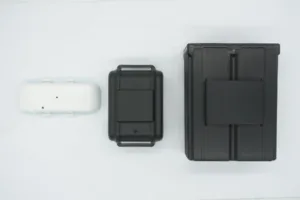
| Appearance Size | 77 × 26 × 14 mm |
| Host Weight | 27 g |
| Shell Material | ABS Plastic |
| Antenna Specification | FPC Antenna |
| Communication Signal | 4G |
The two chip versions and their supported frequency bands should be checked against the destination country’s mobile network requirements. In addition, the supplied specifications do not state an IP protection rating or a defined standby duration. Buyers who require waterproof performance or a specific backup time should request confirmation and supporting test information before ordering.
What Should Buyers Consider When Choosing a GPS Tracker Manufacturer?
Selecting a vehicle GPS tracker manufacturer requires reviewing more than positioning functions. Buyers should also consider hardware compatibility, communication bands, installation requirements, tracking platform support, and the range of vehicle management features. These details are particularly important for distributors and fleet operators purchasing devices for different vehicle types or regional markets.
A hardwired GPS tracker manufacturer should provide clear electrical specifications and installation guidance. Similarly, buyers evaluating a GPS tracker with engine cut-off manufacturer should confirm how the remote control function works and what safety conditions apply. When sourcing from a 4 G GPS tracker manufacturer, regional network compatibility should also be checked rather than assuming every device supports all local operators. For businesses requiring continuous location visibility, a GPS tracker with real-time tracking should be evaluated according to its platform functions, update settings, and communication conditions.
VSGPS provides vehicle tracking products for private vehicles, commercial fleets, and other positioning applications. Buyers can discuss chip versions, network requirements, hardware specifications, and project quantities with the company before selecting a suitable device.
Applications Across Different Vehicle Types
A 4G hardwired vehicle GPS tracker can support different vehicle management requirements depending on its installation and platform configuration. For private car owners, location monitoring and historical route playback can help review vehicle movements. Meanwhile, commercial fleet operators can use ignition detection, electronic fence alerts, and overspeed notifications to support routine vehicle supervision.
The VS01 is designed for applications including private cars, fire trucks, corporate fleets, buses, official vehicles, and financial leasing vehicles. It can also support personnel positioning applications where the deployment requirements are compatible with the device. Before large-scale installation, buyers should verify vehicle voltage, network coverage, platform compatibility, and the required monitoring functions.
Conclusion
A 4G hardwired vehicle GPS tracker combines GPS, Beidou, AGPS, and LBS positioning with 4G communication to support vehicle location monitoring. The VS01 also integrates ACC detection, remote engine cut-off, vibration alarms, electronic fence functions, overspeed alerts, and historical track playback. By considering positioning performance alongside hardware compatibility and vehicle management requirements, buyers can make a more informed choice for fleet monitoring and vehicle security projects.