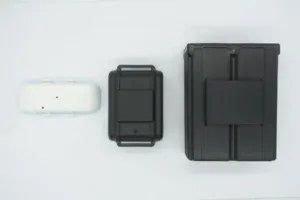



Choosing the right mounting method is vital for effective fleet management. Every project has unique requirements for power and security. However, no single solution fits every vehicle or scenario perfectly. This guide compares three primary ways to install vehicle trackers. We help you match the right “personality” to your specific tracking needs.
1. Comparing the Three Major Installation Methods
Different assets and security levels demand specific hardware configurations. Use this table to identify the best fit for your fleet.
| Method | Best Use Case | Primary Advantage | Main Limitation |
| OBD Plug-in | Private Cars, Rentals | Plug-and-play; CAN data | Constant power issues |
| Hardwired | Logistics, Construction | Hidden; anti-tamper | Needs pro installation |
| Magnetic | Asset Tracking, Temp Use | No wires; portable | Limited battery life |
2. OBD Trackers: The Instant Data Experts
The OBD (On-Board Diagnostics) port offers a direct window into the vehicle. These vehicle trackers are incredibly popular for consumer and rental markets.
The Setup Advantages
OBD units offer the ultimate “plug-and-play” experience. You can install them in seconds without any technical tools. Furthermore, they can read vital CAN bus data from the engine. Consequently, you monitor fuel levels and diagnostic codes in real-time. Therefore, they are the perfect choice for basic fleet monitoring.
The Practical Trade-offs
However, the OBD port is usually easy to find and remove. Some car models also provide constant power to this port. This can slowly drain the vehicle battery if it sits idle. As a result, they are less suitable for high-theft risk scenarios.
3. Hardwired Trackers: The Hidden Sentinels
Hardwired vehicle trackers connect directly to the vehicle’s electrical system. This method is the “gold standard” for professional logistics and heavy machinery.
The Setup Advantages
You can hide these units deep behind the dashboard or engine bay. Consequently, they are much harder for thieves to find and disable. They provide a stable, permanent power source for 24/7 monitoring. Furthermore, they often support external sensors like fuel probes or cut-off relays.
The Practical Trade-offs
The main drawback is the complexity of the initial setup. You usually need a professional technician to handle the wiring safely. Therefore, the upfront installation cost is higher than that of other methods. However, the long-term reliability and security are far superior.

4. Magnetic/Portable Trackers: The Versatile Nomads
Magnetic vehicle trackers rely on internal batteries and heavy-duty magnets. They are the go-to solution for temporary tracking or non-powered assets.
The Setup Advantages
These devices require absolutely no wiring or professional help. You simply “slap” them onto a metal surface and start tracking. Consequently, you can move them between different containers or trailers easily. This makes them ideal for tracking high-value shipments or temporary rentals.
The Practical Trade-offs
Because they are not tethered to the vehicle’s power, they rely on batteries. You must recharge or replace the batteries periodically. If you set a high report frequency, the battery dies quickly. Therefore, they work best for “check-in” tracking rather than constant live updates.
Conclusion: Selecting the Right Path for Your Fleet
Successful vehicle tracking starts with the correct installation strategy. You must evaluate your needs for data, security, and portability.
- Choose OBD for fast deployment and engine diagnostics.
- Choose Hardwired for maximum security and permanent fleet control.
- Choose Magnetic for flexible asset tracking and zero-wire setups.
There is no universal solution for every vehicle tracker project. Match the installation personality to your specific operational goals. Invest in the method that provides the most reliable data for your business. Let smart installation drive your fleet toward better efficiency and safety.