


Selecting the right tracking technology is vital for modern business logistics. Every industry has unique requirements for data and hardware durability. However, many buyers feel overwhelmed by the variety of choices available. This guide breaks down the four primary “families” of the GPS tracker world. We help you identify the perfect match for your specific operational needs.
1. The Positioning Landscape: Four Distinct Families
Different assets and environments require specific sensors and battery life. Use this table to understand the core differences between each GPS tracker category.
| Category | Core Function | Typical Application | Key Performance Metric |
| Asset Tracking | Motion Alerts | Containers, Machinery | 6–12 Month Battery Life |
| Cold Chain | Temp Monitoring | Vaccines, Fresh Food | Temp Accuracy ±0.5°C |
| Fleet Management | Driver Behavior | Logistics, Taxis | Real-time Update Frequency |
| Cross-Border | Global Coverage | International Sea/Land | Satellite + 4G Dual Mode |
2. Asset Tracking: The Long-Distance Endurance Experts
Asset GPS tracker units focus on high-value items that lack power. They spend most of their time in a “deep sleep” mode.
The Setup Advantages
These devices feature massive internal batteries for extreme longevity. Consequently, they can operate for a year without a single charge. They wake up only when they detect movement or a vibration. Therefore, they are perfect for shipping containers or construction equipment. You gain total peace of mind without constant maintenance.
3. Cold Chain Tracking: The Guardians of Freshness
In the pharmaceutical and food industries, location is only half the story. A cold chain GPS tracker must also act as a digital thermometer.
The Technical Precision
These trackers include high-precision temperature and humidity sensors. Furthermore, they trigger immediate alarms if the environment exceeds safe limits. This is critical for shipping vaccines or expensive seafood products. Consequently, you can prove the quality of your goods upon delivery. Therefore, they protect your brand reputation and reduce product waste.
4. Fleet Management: The Efficiency Engineers
Fleet GPS tracker systems are built for constant, high-speed data transmission. They usually connect directly to the vehicle’s power source.
Total Real-Time Visibility
These units provide smooth, real-time map updates every few seconds. Furthermore, they analyze driver habits like harsh braking or rapid acceleration. Consequently, fleet managers can optimize routes and save on fuel costs. This leads to a safer and more profitable transportation network. Therefore, they are the backbone of modern delivery and taxi services.
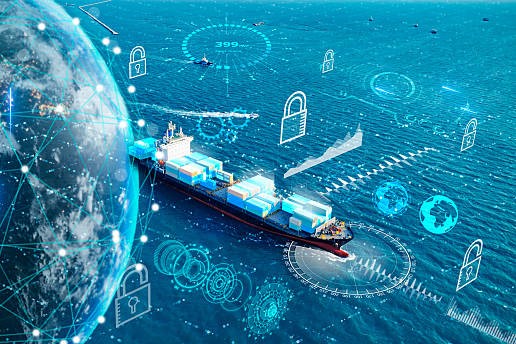
5. Cross-Border Tracking: The Global Roaming Masters
International trade requires a GPS tracker that can “speak” many languages. These devices must bridge the gap between different cellular networks.
Global Connectivity Solutions
Cross-border trackers often use multi-mode communication, such as satellite and 4G. Consequently, the device stays online even in the middle of the ocean. They automatically switch between global SIM cards to avoid roaming failures. Furthermore, they store data internally if a signal is temporarily lost. Therefore, they provide an unbroken history of your global supply chain.
Conclusion: Strategic Selection Drives Success
There is no “universal” GPS tracker for every business challenge. You must choose the family that matches your specific goal.
- Choose Asset for long-term monitoring of non-powered goods.
- Choose Cold Chain for sensitive, temperature-controlled shipments.
- Choose Fleet for active vehicle monitoring and driver safety.
- Choose Cross-Border for seamless international logistics.
Investing in the right technology prevents data gaps and hardware failure. Let professional tracking solutions secure your assets and your profits. Your choice today defines the transparency of your entire operation.