


Choosing the right installation method is critical for effective fleet management. Specifically, the way you power your devices impacts both data depth and security. Many managers prefer the speed of a quick connection. However, others require a more permanent and discreet solution for high-risk assets. Consequently, selecting a professional GPS vehicle tracking device requires balancing convenience with anti-tamper needs. This guide explores the pros and cons of OBD and hardwired installations. We help you choose the best deployment strategy for your specific business goals.
1. OBD Plug-and-Play: The Speed of Intelligence
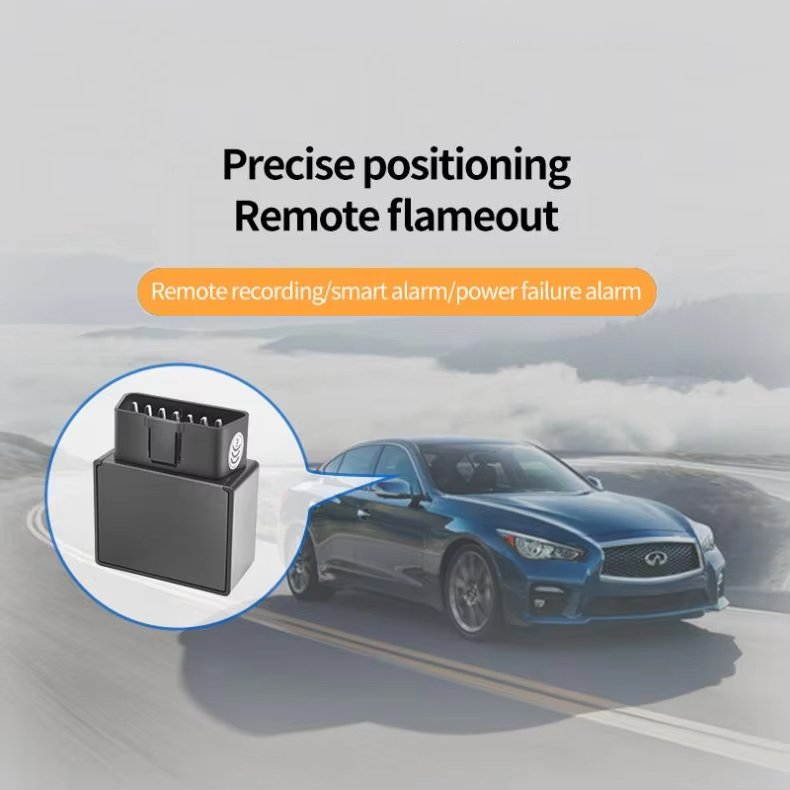
OBD trackers connect directly to the On-Board Diagnostics port of the vehicle.
Instant Deployment and Deep Data
You can install an OBD-style GPS vehicle tracking device in under one minute. Consequently, this method is perfect for large fleets needing rapid activation. Furthermore, the OBD port provides access to vital engine diagnostics. You can monitor fuel consumption, engine RPM, and fault codes in real-time. Therefore, it is the ideal choice for performance monitoring and maintenance scheduling.
The Vulnerability Factor
The main drawback is that the port remains highly visible to the driver. Consequently, a driver can easily unplug the device to avoid monitoring. Furthermore, this makes the device less effective for anti-theft or asset recovery. Therefore, managers should use OBD units when driver cooperation is high.
2. Hardwired Hidden Installation: The Security Standard
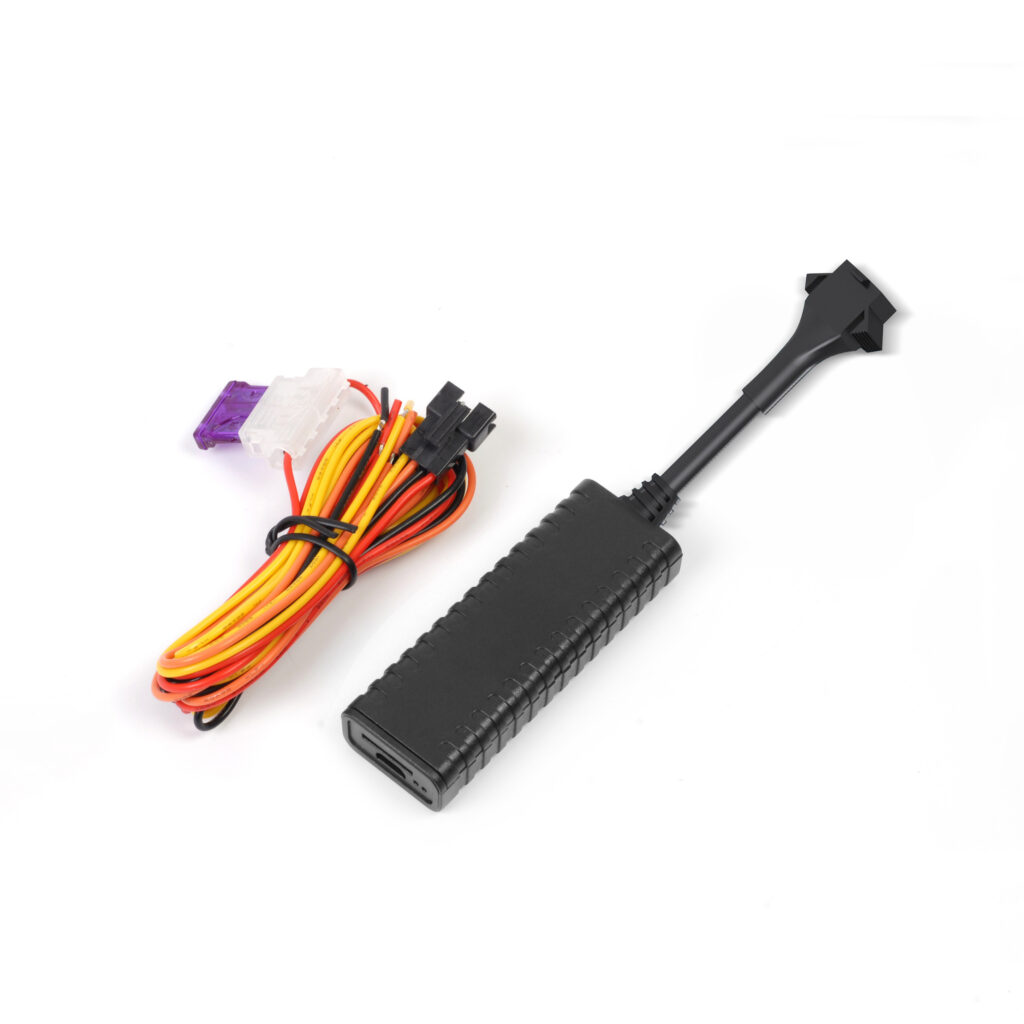
Hardwired devices connect directly to the vehicle’s fuse box or internal wiring harness.
Discreet and Permanent Protection
A hardwired GPS vehicle tracking device hides deep behind the dashboard. Consequently, it remains invisible to unauthorized persons or professional thieves. Furthermore, the permanent connection ensures the device stays powered at all times. This makes it a superior choice for high-value asset protection and financial risk control. Therefore, you gain a reliable “set and forget” security solution.
Professional Labor Requirements
Installing a hardwired unit requires more time and technical expertise. Consequently, you may need a professional technician to handle the electrical integration. Furthermore, these devices typically focus on location rather than complex engine data. Therefore, the investment focuses on long-term security rather than temporary diagnostics.
3. Comparison Matrix for Fleet Deployment
| Feature | OBD Plug-and-Play | Hardwired (Hidden) |
| Install Time | < 1 Minute | 30 – 60 Minutes |
| Data Access | Engine & Diagnostic Data | Location & Ignition Only |
| Tamper Risk | High (Easy to unplug) | Low (Hard to find) |
| Best Scenario | Fleet Efficiency / ELD | Asset Recovery / Financing |
4. Strategic Scenarios for Each Method
Your choice depends on your primary goal: efficiency or security.
- Logistics & Delivery: Use OBD units to track fuel and idle time.
- Car Rental & Leasing: Select hardwired units to prevent unauthorized removal.
- Employee Reimbursement: Use OBD for easy transfer between different personal vehicles.
- Construction Equipment: Choose hardwired for maximum durability in harsh environments.
Consequently, you align your technology with your operational reality. Furthermore, using a high-quality GPS vehicle tracking device reduces your insurance premiums over time. Therefore, the right installation method protects both your vehicles and your profits.
Conclusion: Choosing Your Fleet’s Foundation
The best installation method is the one that stays connected when it matters.
Stop guessing which setup is right for your complex vehicle fleet. Instead, embrace a professional approach that matches your specific security needs. Consequently, you will have the data and protection your business requires. Experience the peace of mind that comes with a perfectly deployed tracking system. Start your journey toward better fleet visibility and security today. Your vehicles deserve a tracking solution that never stops working.