


Fleet operators need reliable monitoring tools to track vehicles, improve driver safety, and control operating costs. However, choosing the wrong device can lead to unexpected expenses, difficult installation, and compatibility issues with existing fleet management systems. A fleet vehicle GPS dashcam tracker combines location tracking and video monitoring, helping businesses maintain visibility across their vehicles. Before purchasing, buyers should evaluate the device’s features, connectivity, installation requirements, and long-term operating costs.
1. Calculate the Total Cost of Ownership
The purchase price does not reflect the full cost of deploying a vehicle tracking system. Installation, mobile data, video storage, software subscriptions, and maintenance can all affect the total investment. Some devices may also require additional accessories or professional installation, depending on the vehicle and monitoring setup. Therefore, buyers should compare the complete cost of ownership rather than choosing a product based solely on its initial price.
Before placing an order, review the following cost factors:
- Installation: Confirm wiring requirements, mounting options, and whether professional assistance is necessary.
- Connectivity: Check SIM card requirements, supported network bands, and recurring data charges.
- Video storage: Determine how recordings are stored, accessed, and retained, and whether additional storage fees apply.
- Maintenance: Review warranty coverage, firmware updates, replacement options, and technical support.
- Software integration: Establish whether connecting the device to an existing platform requires additional licenses or development work.
By reviewing these expenses in advance, fleet managers can estimate their budgets more accurately and reduce the risk of unexpected costs after deployment.
2. Evaluate Camera and Tracking Capabilities
A GPS tracking device with a camera can provide more useful information than a basic location tracker. Depending on the model and configuration, it may support real-time positioning, video playback, remote monitoring, and driving alerts. These functions can help fleet managers review incidents, monitor vehicle use, and respond to operational issues. However, buyers should confirm that the selected model supports their required functions before making a purchasing decision.
The VSGPS VW03 combines a 2K HD camera with GPS and BDS positioning. Its listed features include remote monitoring, historical playback, remote voice intercom, speed warnings, parking overtime notifications, driving time reminders, fatigue driving warnings, and manual SOS alerts. Together, these functions support fleet monitoring across corporate vehicles, rental services, and passenger transport operations.
When evaluating the device, consider the following hardware specifications and operating conditions:
| Parameter | Listed specification |
|---|---|
| Camera resolution | 2560 × 1440, 2K UHD |
| Positioning | GPS + BDS dual-mode |
| Supported communication bands | LTE-FDD B1/3/5/7/8/20/28; B34/38/39/40/41/66 |
| Communication technologies | GSM, GPRS, 4G LTE, 4G, 2G |
| Installation position | Windshield or dashboard |
| Device dimensions | 105 × 83 × 53 mm |
| Host weight | 0.500 kg |
| Power source | Corded electric |
| Battery life condition | Based on vehicle startup status |
The supplied specifications do not state an IP rating or operating temperature range. Buyers should request confirmation of these details if the device will operate in environments with moisture, dust, or extreme temperatures. Network compatibility should also be checked against the deployment region and intended mobile operator.
3. Check Compatibility Before Fleet-Wide Installation
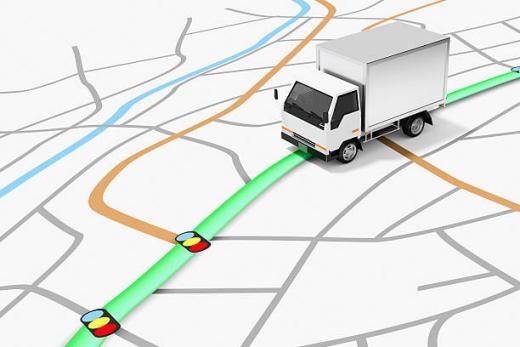
Integration issues can delay deployment and increase project costs. Even when a tracking device offers the required monitoring functions, it may not work seamlessly with an existing fleet platform, vehicle power system, or mobile network. For this reason, technical compatibility should be confirmed before purchasing devices in large quantities.
| Integration factor | Potential issue | What to check |
|---|---|---|
| Power supply | Wiring or power compatibility problems | Vehicle power requirements and installation instructions |
| Cellular network | Unstable connectivity or limited coverage | Supported bands, local coverage, and SIM requirements |
| Fleet software | Limited data exchange or incompatible interfaces | Platform compatibility, API availability, and export options |
| Video playback | Difficult access to recorded footage | Recording methods, storage, and playback functionality |
| Installation position | Obstructed camera view or poor reception | Mounting location, viewing angle, and antenna placement |
| Data security | Unauthorized access to vehicle information | Access permissions, data protection, and retention policies |
In addition, testing a small number of devices before full deployment can help identify practical issues early. Fleet managers can assess installation time, network performance, video quality, and staff workflows under real operating conditions. This approach makes it easier to address problems before they affect the entire fleet.
4. Select a Manufacturer That Supports Your Requirements
Choosing an experienced vehicle GPS tracker manufacturer can help businesses assess hardware compatibility, network requirements, and deployment options. However, manufacturers differ in their technical documentation, customization capabilities, production capacity, and after-sales support. Buyers should therefore evaluate both the product and the support available throughout the purchasing process.
When comparing a GPS tracker with camera manufacturer or a GPS tracker with microphone manufacturer, consider these questions:
- Can the manufacturer provide clear specifications for positioning, video recording, and communication?
- Are installation instructions and configuration documents available?
- Can the product meet the requirements of different vehicle types and target markets?
- What warranty coverage and troubleshooting support are provided?
- Are sample units available for testing before a larger order?
For businesses sourcing from a fleet GPS tracker manufacturer, production consistency and lead times are also important. Clear communication about technical requirements, order quantities, and delivery schedules can help reduce procurement delays, particularly when multiple vehicle types or deployment locations are involved.
5. Match the Device to Your Fleet Operations
Different fleet operations have different monitoring priorities. Rental companies may need location history and video playback, while logistics operators may focus on vehicle visibility and driving behavior. Passenger transport providers may place greater emphasis on incident review, driver alerts, and emergency notifications. A fleet vehicle GPS dashcam tracker should therefore be selected according to the vehicles being monitored, the operating environment, and the management team’s actual needs.
When comparing fleet vehicle GPS tracking solutions, evaluate the following considerations:
- Operational needs: Identify whether live tracking, video playback, driver alerts, or emergency notifications are the main priorities.
- Fleet size: Determine how many vehicles will require installation and ongoing management.
- Data management: Establish who can access location records and video footage and how long the data should be retained.
- Expansion plans: Confirm that the device and associated platform can support future deployment requirements.
This process helps buyers focus on useful capabilities instead of paying for unnecessary features. It also provides a clearer basis for comparing products, manufacturers, and long-term operating expenses.
Conclusion
Choosing suitable vehicle monitoring equipment requires more than comparing purchase prices or camera resolution. Fleet operators should assess connectivity, installation, software compatibility, data management, and technical support before committing to a deployment. A fleet vehicle GPS dashcam tracker can combine positioning and video monitoring in one device, helping businesses improve vehicle visibility when the equipment is properly integrated into daily operations. By checking specifications, testing sample units, and working with a qualified manufacturer such as VSGPS, buyers can make informed purchasing decisions and reduce avoidable integration risks.