


Vehicle tracking in remote areas presents a challenge when vehicles operate far from regular charging facilities. Fleet managers need reliable location updates, but frequent battery charging can interrupt monitoring and increase maintenance work. A strong magnetic long battery GPS tracker helps address this issue through rechargeable battery options, multiple positioning technologies, and flexible installation. By combining power management with vehicle alerts and remote monitoring, it supports tracking applications for private vehicles and commercial fleets.
Why Battery Capacity Matters for Remote Vehicle Tracking
Battery capacity directly affects how long a tracking device can operate between charging sessions. This becomes especially important for vehicles parked in remote locations, used irregularly, or deployed across large operating areas. A large battery capacity GPS tracker provides more stored energy for positioning and communication functions. However, actual operating time also depends on tracking frequency, network conditions, alert activity, and other usage factors.
The CW01 offers several rechargeable battery configurations to accommodate different monitoring requirements. Buyers can consider how often a vehicle needs location updates, how frequently it moves, and how accessible charging facilities are before selecting a suitable option. Its stated operating duration provides a reference for planning, but it should not be treated as a guaranteed standby period. Therefore, users should evaluate expected performance according to their actual tracking settings and operating environment.
How Low Power Consumption Supports Longer Tracking Periods
Battery capacity is only one part of a device’s operating performance. Power consumption also influences how quickly stored energy is used during daily operation. Positioning, cellular communication, and alert functions all contribute to the device’s overall energy demand. Consequently, a battery-powered GPS tracker manufacturer should consider how these functions work together rather than focusing on battery size alone.
Frequent location uploads and continuous network activity may increase power consumption. In contrast, suitable tracking intervals and practical monitoring settings can help users balance location visibility with battery use. For fleet managers, this balance is particularly important when vehicles spend long periods away from charging facilities. Selecting a device with appropriate power capacity and configurable monitoring behavior can make routine vehicle management more practical.
Why Strong Magnetic Adsorption Makes Installation More Flexible
Installation is another important consideration for vehicle tracking. Traditional installation methods may require additional mounting work, while a magnetic design allows the device to attach directly to suitable metal surfaces. The CW01 includes a built-in magnet for metal-surface mounting, making it easier to position the tracker without relying on a permanent installation point. This approach can be useful when vehicles need temporary monitoring or when installation locations may change.
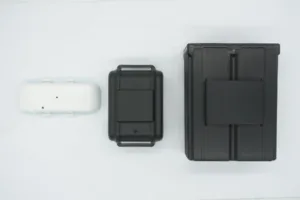
A strong magnetic long battery GPS tracker can support vehicles that require flexible placement and convenient installation. Its compact housing and lightweight construction make the device manageable across different vehicle applications. The ABS plastic shell and FPC antenna complete its hardware design. However, users should choose a secure metal mounting surface and check that the installation position does not interfere with signal reception.
How Multiple Alerts Improve Vehicle Monitoring
Longer battery operation is more useful when the device can also notify users about important vehicle events. The CW01 combines several alert functions to support different monitoring needs. Its vibration alarm can report abnormal vehicle vibration, while ACC detection helps identify vehicle ignition-related activity. In addition, the electronic fence supports flexible zone configuration and entry or exit alerts.
The device also provides overspeed notifications and low-voltage alerts. Low battery notifications can be sent through the app and SMS, while the battery display allows users to check the remaining power through the application. These functions help fleet managers identify relevant events without depending entirely on manual checks. Furthermore, track playback allows users to review previous vehicle movements when investigating routes or checking vehicle activity.
Key monitoring functions include:
- Vibration alarm: Sends an alert when abnormal vehicle vibration is detected.
- ACC detection: Supports monitoring of vehicle ignition-related status.
- Electronic fence: Provides entry and exit alerts for configured zones.
- Overspeed alarm: Notifies users when vehicle speed exceeds the configured limit.
- Low battery alert: Sends app and SMS notifications when battery power is low.
- Track playback: Retains location history for later review.
Positioning, Network Compatibility, and Operating Conditions
Reliable tracking depends on positioning technology and network availability. The CW01 combines GPS, BeiDou, AGPS, and LBS positioning to support location updates in different environments. These positioning methods provide location information through different sources, while cellular communication transfers tracking data to the connected platform. Before deployment, users should confirm that the device’s supported network bands are compatible with mobile operators in the target region.
Operating environment is another important selection factor. Temperature conditions, exposure to moisture, dust, and the vehicle’s installation location may all affect long-term use. The supplied product information provides a defined operating temperature range but does not specify an IP waterproof or dustproof rating. Therefore, buyers should confirm the required environmental protection level before installing the tracker in locations exposed to rain, dust, or moisture.

Key Technical Specifications of the CW01 GPS Tracker
The following table consolidates the available hardware and operating specifications. Each technical parameter is listed here once, allowing buyers to review the device without interrupting the main discussion with repeated figures.
| Parameter | Specification |
|---|---|
| Model | CW01 |
| Chip Model | SIMCom A7670E / A7670SA5 |
| Battery Capacity | 1500mAh / 2500mAh / 5000mAh |
| Battery Type | Built-in rechargeable battery |
| Listed Battery Life | 10–15 days; test conditions not specified |
| Working Voltage | DC 3.4–4.5V |
| Working Current | 55mA average at 4V |
| Positioning | GPS + BeiDou + AGPS + LBS |
| Communication | 4G + 2G |
| LTE-FDD Bands | B1/B2/B3/B4/B5/B7/B8/B28/B66 |
| GSM Bands | B2/B3/B5/B8 |
| Working Temperature | -20°C to 75°C |
| Shell Material | ABS plastic |
| Antenna | FPC antenna |
| Waterproof Rating | Not specified in the supplied product information |
The listed battery life should be treated as a reference rather than a guaranteed standby duration. The supplied information does not define the tracking interval, network conditions, or other test settings used to determine this figure. Buyers should request clarification about the test conditions and expected performance under their intended usage patterns.
Choosing a GPS Tracker for Different Vehicle Applications
Different vehicles have different tracking requirements. Private cars may need location history and movement alerts, while corporate fleets often require electronic fences, overspeed notifications, and centralized monitoring. Fire trucks, buses, official vehicles, and financial leasing vehicles may also benefit from remote location access and abnormal vibration alerts. A strong magnetic long battery GPS tracker can support these applications when its battery configuration, network compatibility, and installation method match the vehicle’s operating environment.
When comparing product options, buyers may encounter search terms such as GPS tracker with vibration alarm manufacturer and GPS tracker with low battery alert manufacturer. These terms reflect useful evaluation points, but buyers should also review the actual alert methods, positioning support, and network compatibility. A GPS tracking device with battery should be assessed according to its stated capacity and operating conditions, not battery size alone. In addition, buyers should confirm whether the available tracking platform and notification functions meet their fleet management requirements.
How VSGPS Supports Vehicle Tracking Requirements
VSGPS provides GPS tracking devices for different vehicle monitoring scenarios. The CW01 combines multiple positioning technologies, rechargeable battery options, magnetic mounting, and several alert functions in a compact housing. Its app, SMS, and platform notification options give users different ways to review tracking information and respond to vehicle events. These features make it suitable for evaluating applications involving private cars, commercial fleets, buses, and other vehicle types.
Conclusion
Longer tracking periods depend on both battery capacity and practical power management. Rechargeable battery options, low battery notifications, multiple positioning technologies, and magnetic installation all contribute to a more flexible vehicle monitoring setup. A strong magnetic long battery GPS tracker can be a practical choice for remote vehicle tracking when its operating requirements match the intended application. Before deployment, users should verify network compatibility, expected battery performance, mounting conditions, and any required environmental protection rating.