


Losing sight of a pet can be stressful, especially when it hides nearby or wanders into an unfamiliar area. GPS positioning helps owners check a pet’s location on a mobile app, but a map alone may not make the animal easy to spot. A voice seeking pet GPS tracker adds a sound prompt to the search process, helping owners narrow down the pet’s position when they are close enough to hear the device. By combining location information with audible alerts, this type of tracker provides another practical tool for everyday pet safety.
How Sound Prompts Support Pet Location
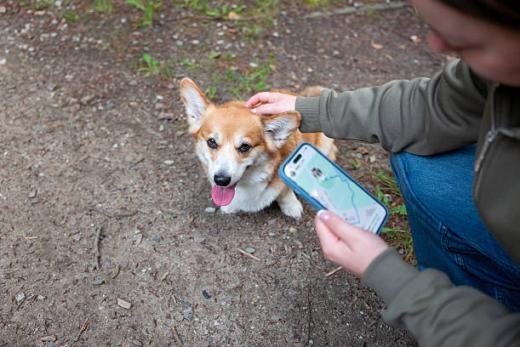
When a pet slips out of sight, owners often need more than a general location estimate. For example, a dog may hide behind bushes, move under a vehicle, or remain in a dim area where visual searching takes longer. With the sound-seeking feature, owners can use a compatible mobile app to trigger an audible prompt from the tracker, then listen for the sound while approaching the indicated location. This process can help distinguish the pet’s immediate surroundings from nearby areas, although the result depends on the sound level, background noise, network connection, and distance.
Combining GPS Positioning with Audible Guidance
GPS positioning and sound prompts serve different but complementary purposes. GPS, BeiDou, and LBS positioning can provide location information, while a sound alert helps owners search for the pet once they reach the surrounding area. In addition, location history can help owners review recent movement and understand the route their pet may have taken. Therefore, using map information and audible guidance together can make the search more structured than relying on either method alone.
| Feature | Main Function | Practical Value |
|---|---|---|
| GPS + BeiDou + LBS positioning | Provides location information through supported positioning methods | Helps owners identify an area to search |
| Real-time positioning | Updates the pet’s reported location | Supports active searching when location updates are available |
| Sound prompt | Emits an audible signal from the tracker | Helps owners listen for a nearby pet |
| LED light | Provides a visual cue in low-light conditions | Can make the tracker easier to notice when the light is visible |
| Six-month track history | Records and displays movement history | Helps owners review previous routes |
| Electronic fence | Supports entry and exit alerts for configured zones | Helps owners monitor movement around designated areas |
Useful Situations for Sound-Seeking Features
Sound prompts can be helpful in several common situations. If a pet hides in a garden, slips behind outdoor furniture, or stays somewhere nearby after escaping, the location map may guide the owner to the right area while the sound provides an additional clue. Similarly, when searching in low light, the tracker’s LED light may offer a visual aid alongside the audible signal. However, sound prompts do not replace GPS positioning, and they may be difficult to hear in noisy environments or when the pet is too far away.
For practical use, owners can follow a few simple steps:
- Check the latest location: Open the tracking app and review the pet’s reported position.
- Move toward the indicated area: Use the map as a starting point rather than assuming it shows the pet’s exact physical position.
- Activate the sound prompt: Trigger the tracker’s supported sound-seeking function through the app.
- Listen and search carefully: Check nearby hiding places while following the audible cue.
- Use the light when needed: If available and appropriate, activate the LED light to assist with searches in dim conditions.
Key Hardware Specifications to Consider
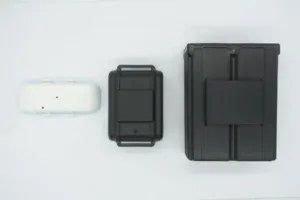
When selecting a pet GPS tracker, buyers should consider the hardware and operating conditions as well as its search functions. The VSGPS P01 model shown in the product information includes a 3000mAh rechargeable battery, an IP65 dust and water protection rating, and a stated working temperature range of -20°C to 75°C. It also supports LTE-FDD bands B1/B3/B5/B7/B8/B20 and LTE-TDD B38, with GSM support at 2G 900/1800 MHz. These details help buyers assess whether the device matches their intended region and usage environment, although actual battery performance depends on tracking frequency, network coverage, and other operating conditions.
| Technical Parameter | Product Information |
|---|---|
| Chip model | SIMCom A7670E / A7670SA |
| Working voltage | DC 3.4–4.5V |
| Built-in battery | 3000mAh rechargeable battery |
| Working current | 4V / average 55mA |
| Communication bands | LTE-FDD B1/B3/B5/B7/B8/B20; LTE-TDD B38; GSM 2G 900/1800 MHz |
| Working temperature | -20°C to 75°C |
| Appearance size | 82 × 49 × 38mm |
| Host weight | 143g |
| Shell material | ABS plastic |
| Antenna | FPC antenna |
| Listed battery life | 20 days, rechargeable; actual performance depends on use conditions |
| Signal | 4G + 2G |
Battery Life and Everyday Use
Battery capacity is important because a tracker must remain powered to provide location updates and search functions. The product information lists a 3000mAh rechargeable battery and a stated battery life of 20 days; however, this figure should be understood in relation to the manufacturer’s test conditions. Frequent location updates, weak cellular coverage, repeated sound prompts, and other active features may increase power consumption. Consequently, buyers should confirm the expected standby or operating duration under their intended settings before choosing a tracker for regular use.
Choosing a Tracker for Different Pet-Safety Needs
A pet tracker should match the owner’s daily routine, the pet’s activity level, and the conditions in which it will be used. For example, owners who often walk their dogs outdoors may value location updates and electronic-fence alerts, while those who frequently search around gardens or yards may also appreciate sound and light features. In addition, buyers should confirm cellular band compatibility in the target market, understand the stated water-protection rating, and review how the mobile app handles notifications and location history. A careful review of these factors can help set realistic expectations for the device.
Conclusion
A voice seeking pet GPS tracker combines location information with an audible prompt to help owners narrow their search when a pet is nearby but out of sight. GPS, BeiDou, and LBS positioning can guide the search area, while sound and light features provide additional cues in suitable conditions. With its rechargeable battery, listed IP65 protection, and support for specified cellular bands, the VSGPS P01 offers several functions for pet-location and monitoring needs. Before purchase, buyers should confirm compatibility and battery-life test conditions to ensure the tracker fits their intended use.