


Long-term vehicle and asset tracking requires more than accurate positioning. Logistics operators and fleet managers also need stable power, reliable location updates, and timely alerts to maintain visibility over vehicles operating across different routes and environments. A solar power GPS tracker addresses one of these key challenges by using solar energy to supplement its built-in battery, helping extend operating time and reduce the need for frequent manual charging. For fleets, transport businesses, and marine applications, this combination can support more consistent tracking and simplify daily management.
How Does Solar Charging Support Long-Term GPS Tracking?
Power management is an important consideration when a tracking device operates for extended periods or is installed in a location where regular charging is inconvenient. A solar power GPS tracker uses an integrated solar panel to collect energy and supplement its internal battery. As a result, solar charging can help extend battery life and reduce dependence on frequent external charging, although actual performance depends on sunlight exposure and operating conditions.
This approach is particularly useful for logistics vehicles and equipment that spend long periods outdoors. Instead of relying entirely on manual charging, operators can benefit from an additional energy source during normal operation. However, solar charging should be viewed as a way to extend operating time rather than a guarantee of continuous power under every weather or installation condition.
What Makes It Suitable for Different Fleet and Transport Applications?
A tracking device needs to support different operating environments while providing useful location and status information. The VSGPS S01 combines multiple positioning methods, communication capabilities, and monitoring alerts to support vehicle and asset management. Its GPS, BeiDou, AGPS, and LBS positioning options help provide location information, while historical playback allows users to review previous movement records.
The device can serve several types of transport and logistics operations, including:
- Freight and corporate fleets: Monitor vehicle locations and review historical routes to support fleet visibility and operational planning.
- Marine transportation: A boat GPS tracker can help users monitor fishing boats and other vessels, particularly when they need remote access to location information.
- Passenger transport: Taxi, rental vehicle, and passenger transport operators can use tracking information to improve vehicle oversight.
- Automotive businesses: Automobile manufacturers, 4S stores, and insurance-related businesses can use location monitoring for vehicle management.
- Individual vehicle owners: Private users can check vehicle locations and receive alerts when abnormal activity occurs.
Therefore, the device is not limited to one type of fleet. Its positioning and notification functions can support different tracking requirements across transportation and vehicle-related industries.
Which Monitoring Features Improve Vehicle Security?
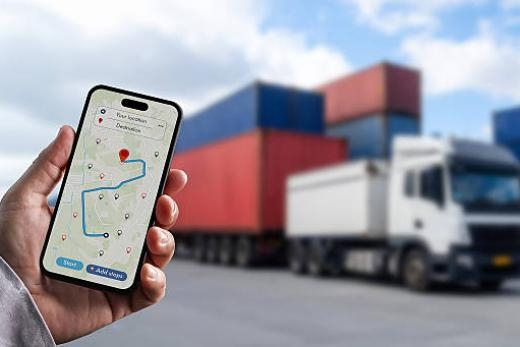
Location tracking is only one part of effective fleet management. Operators also need to know when a vehicle moves unexpectedly, leaves a designated area, or experiences possible interference with its tracking device. The S01 includes several alert functions that help users identify these situations and respond more promptly.
Key monitoring features include:
- Vibration alarm: Sends an alert when abnormal vehicle vibration is detected, helping users identify unexpected movement.
- Electronic fence: Supports entry and exit alerts based on configured geographic zones.
- Prevent disassembly alert: Hall effect tamper-proofing helps detect possible interference or unauthorized removal of the device.
- Real-time positioning: Provides current location information through the tracking platform.
- Historical playback: Allows users to review recorded routes and movement history.
- Battery display: Enables users to check the remaining battery status through the application.
In addition, notifications can be delivered through SMS, phone notifications, the device platform, and a mobile app. This gives fleet managers and individual users different ways to receive important updates without depending on a single notification channel.
Why Is Environmental Protection Important for Outdoor Tracking?
Vehicles and assets may encounter rain, dust, temperature changes, and other environmental conditions during daily operation. A waterproof GPS tracker is therefore valuable when the installation environment exposes the device to moisture or dust. The S01 features an IP67-rated enclosure, which provides a defined level of protection against dust and water exposure.
Its operating temperature range also makes it suitable for use across a range of outdoor conditions. Nevertheless, the protection rating does not mean that every installation method or prolonged exposure scenario is automatically suitable. Users should follow the product’s installation guidance and consider the actual mounting location before deployment.
What Technical Specifications Should Buyers Consider?
When evaluating a tracking device for long-term logistics or fleet applications, buyers should review its power system, communication compatibility, positioning methods, and physical construction. The following table summarizes the available specifications for the VSGPS S01. The stated battery life is provided as a product specification, but the source information does not define the test conditions or usage pattern behind that figure.
| Technical Item | S01 Specification |
|---|---|
| Chip model | A7676G |
| Built-in battery capacity | 10,000 mAh (3.7V polymer battery) |
| Stated battery life | 85 days; test and usage conditions not specified |
| Working voltage range | DC 3.4–4.5V |
| Working current | 50 mA average at 4V |
| Communication | 4G + 2G |
| LTE-FDD bands | B1/B2/B3/B4/B5/B7/B8/B12/B13/B18/B19/B20/B25/B26/B28/B66 |
| LTE-TDD bands | B34/B38/B39/B40/B41 |
| GSM bands | B2/B3/B5/B8 |
| Positioning | GPS, BeiDou, AGPS, LBS |
| Operating temperature | -20°C to 75°C |
| Waterproof rating | IP67 |
| Dimensions | 138 × 77 × 30 mm |
| Host weight | 300 g |
| Shell material | ABS plastic |
| Antenna | FPC antenna |
Before purchasing, fleet operators should also confirm that the listed communication bands are compatible with the mobile networks in their deployment regions. This is particularly important for businesses managing vehicles across different areas or countries.
How Does It Compare with Other GPS Tracking Options?
Different tracking devices are designed for different power and installation requirements. A battery powered GPS tracker can be useful when wiring to a vehicle’s power supply is impractical, but its operating time depends on battery capacity, reporting frequency, and usage conditions. By comparison, a solar-assisted model adds another way to replenish energy, which may be beneficial for outdoor assets with suitable sunlight exposure.
A conventional vehicle GPS tracker may be appropriate for vehicles with a stable power connection. However, a self-contained device can offer more flexible installation options when permanent wiring is not preferred. For marine applications, a boat GPS tracker should also be assessed according to its environmental protection, mounting position, communication coverage, and power requirements rather than positioning performance alone.
Ultimately, the most suitable option depends on the operating environment, tracking frequency, power availability, and required security functions. Buyers should compare these factors together instead of selecting a device based only on battery capacity or one individual feature.
How Can Businesses Choose a Suitable Tracker for Long-Term Use?
Before deploying tracking devices across a fleet, businesses should identify their actual monitoring requirements. Consider the following points:
- Check the power arrangement: Evaluate whether solar charging can receive sufficient sunlight at the planned installation location.
- Confirm network compatibility: Match the supported communication bands with the mobile networks used in the operating region.
- Review environmental conditions: Consider water, dust, temperature, and mounting requirements before installation.
- Identify essential alerts: Determine whether vibration detection, electronic fence notifications, and tamper alerts are necessary.
- Evaluate platform access: Confirm that the available mobile app and tracking platform support the monitoring workflow used by the business.
A careful assessment can help avoid compatibility problems and ensure that the selected device meets practical fleet management needs.
Conclusion
Long-term logistics tracking depends on reliable positioning, suitable power management, environmental protection, and effective security alerts. A solar power GPS tracker brings these functions together by combining solar-assisted charging with multi-mode positioning and vehicle monitoring features. For freight operators, corporate fleets, marine users, and vehicle-related businesses, the VSGPS S01 offers a set of functions designed to support remote monitoring across different applications. Its suitability for a particular fleet will ultimately depend on installation conditions, network compatibility, and the required tracking schedule.